
Ancient Nadi leaves are considered one of the most fascinating parts of traditional Indian spiritual heritage. These palm leaf manuscripts are believed to contain handwritten records created centuries ago and carefully preserved through generations. Since palm leaves are natural materials that can deteriorate over time, preserving them requires continuous care, traditional techniques, and proper storage methods.
Many people are curious about how these delicate leaves survive for such long periods. The preservation process combines traditional knowledge, environmental protection, and restoration practices designed to extend the life of the manuscripts while maintaining readability.
nadi astrology australia
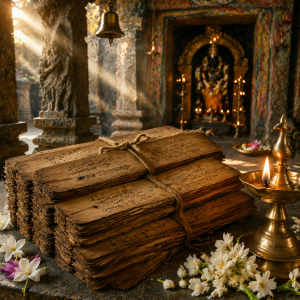
Introduction to Ancient Nadi Leaves
Nadi leaves are traditionally written on specially prepared palm leaves using stylus-based engraving methods. The inscriptions are later darkened with natural substances to improve visibility and readability.
These manuscripts are considered culturally significant because they represent ancient methods of recording spiritual guidance, historical information, and traditional knowledge. Since palm leaves are organic materials, they require careful handling and maintenance to remain intact over generations.
The survival of these manuscripts depends heavily on preservation practices followed by caretakers and traditional custodians.
Why Preservation Is Important
Preserving ancient Nadi leaves is important because the manuscripts are highly sensitive to environmental conditions. Exposure to moisture, heat, insects, and improper handling can gradually damage the leaves.
Without regular maintenance, palm leaves may become brittle, faded, or cracked. Preservation efforts aim to protect the physical structure of the manuscripts while ensuring that the engraved writings remain visible.
The importance of preservation extends beyond astrology or spiritual interest. Many people also view these manuscripts as part of cultural and historical heritage that reflects ancient documentation techniques and traditional knowledge systems.
How Are Ancient Nadi Leaves Preserved for Generations?
The preservation of ancient Nadi leaves involves a combination of preparation methods, protective treatments, storage techniques, and periodic restoration practices. Traditional caretakers developed methods designed to reduce damage caused by natural aging and environmental exposure.
One common preservation method involves applying natural oils or herbal extracts to the palm leaves. These treatments help maintain flexibility and reduce dryness, which can otherwise lead to cracking. The leaves are also periodically cleaned to remove dust and prevent deterioration.
Storage conditions play an important role in long-term preservation. Palm leaves are usually kept in dry, controlled environments away from excessive sunlight, humidity, and pests. Protective coverings or wooden storage boxes may also be used to shield the manuscripts from environmental damage.
Regular inspection is another important part of the preservation process. Damaged leaves may require restoration work to improve readability and structural stability. Through careful maintenance and handling, many manuscripts continue to survive for generations.
Traditional Palm Leaf Preparation Methods
The preservation process often begins before the writing itself. Palm leaves traditionally undergo preparation treatments designed to improve durability.
Leaf Selection
Only mature and suitable palm leaves are selected for manuscript preparation. The quality of the leaf influences how long it can survive.
Drying and Processing
The leaves are cleaned, dried, and processed to reduce moisture content. This helps minimize future deterioration.
Surface Smoothing
Palm leaves are polished to create a smoother writing surface. Proper preparation helps improve both readability and longevity.
Engraving and Ink Application
The text is engraved using a stylus, and natural substances are rubbed into the engravings to darken the writing.
These preparation techniques are considered important because properly treated leaves generally last longer than untreated materials.
Storage and Environmental Protection
Environmental conditions are one of the biggest factors affecting manuscript preservation. Traditional caretakers often use several protective methods to extend the life of Nadi leaves.
Protection From Moisture
Humidity can cause fungal growth and weaken palm leaf structure. Dry storage conditions help reduce this risk.
Avoiding Direct Sunlight
Excessive sunlight can fade inscriptions and dry out the leaves. Manuscripts are therefore stored away from strong light exposure.
Pest Control
Palm leaves are vulnerable to insects and termites. Traditional storage methods may include natural pest-repelling substances to protect the manuscripts.
Organized Bundling
Leaves are often tied together carefully in bundles to prevent scattering and physical damage.
Proper storage remains one of the most critical aspects of preserving ancient palm leaf manuscripts.
Restoration and Maintenance Practices
Over time, even carefully preserved manuscripts may show signs of aging. Restoration practices aim to extend their usability while preserving original content.
Cleaning Procedures
Dust and surface particles are gently removed to improve visibility and reduce deterioration.
Reconditioning Treatments
Natural oils or herbal applications may be used periodically to restore flexibility.
Repairing Damaged Leaves
Cracked or weakened sections may receive careful support treatment to prevent further damage.
Recopying Important Records
In some traditional systems, important manuscripts may occasionally be recopied to preserve the information if original leaves become too fragile.
Maintenance is often viewed as an ongoing responsibility rather than a one-time process.
Challenges in Preserving Ancient Manuscripts
Preserving ancient Nadi leaves is not easy because palm leaves naturally deteriorate with age. Environmental fluctuations, improper handling, and biological damage can all affect the manuscripts.
Some common preservation challenges include:
- Fragility due to aging
- Ink fading over time
- Cracking and brittleness
- Insect damage
- Humidity-related deterioration
- Loss of readable sections
Modern conservation efforts sometimes combine traditional preservation techniques with improved storage practices to enhance long-term survival.
Cultural Importance of Nadi Leaf Preservation
Ancient Nadi leaves are often viewed as more than just manuscripts. They are considered symbols of traditional knowledge, historical continuity, and cultural heritage.
Preserving these records helps maintain connections to ancient literary and spiritual traditions. Many people appreciate the craftsmanship involved in preparing, writing, and maintaining palm leaf manuscripts across generations.
The preservation process also highlights the importance of safeguarding historical materials that reflect traditional methods of communication and documentation.
Conclusion
Ancient Nadi leaves are preserved through a combination of traditional preparation methods, environmental protection, herbal treatments, careful storage, and ongoing maintenance practices. Since palm leaves are naturally delicate materials, preservation requires continuous attention and specialized care.
The survival of these manuscripts across generations reflects both cultural dedication and traditional preservation knowledge. Whether viewed from a historical, spiritual, or cultural perspective, the preservation of Nadi leaves remains an important effort in protecting ancient palm leaf heritage for the future.
FAQs
What are Nadi leaves made from?
Nadi leaves are traditionally made from specially prepared palm leaves used for manuscript writing.
Why do Nadi leaves require preservation?
Palm leaves are organic materials that can deteriorate due to moisture, heat, insects, and aging.
How are palm leaf manuscripts protected from damage?
Traditional methods include herbal treatments, dry storage, pest protection, and careful handling.
Can ancient Nadi leaves survive for centuries?
With proper maintenance and storage, palm leaf manuscripts can survive for very long periods.
Are damaged Nadi leaves restored?
Some manuscripts undergo cleaning, reconditioning, and restoration practices to improve preservation.